Key Takeaways
- Steady balance helps you keep your independence and enjoy an active lifestyle.
- Age-related changes, medications, inner ear concerns, and health conditions can all affect balance.
- Physical therapists, occupational therapists, gentle yoga, and tai chi can help you build strength and steadiness.
- Parsons House Cypress offers fitness classes, walking areas, and 24/7 staff to support you.
Why Balance Matters as You Age
Think about the small moves you make every day without a second thought. You step off a curb, reach for a mug on the top shelf, or turn to wave at a friend across the room. Each of these moments depends on balance.
Seniors should perform balance exercises because steady balance helps you stay independent, move with ease, and keep enjoying the active, full lifestyle you love. Strength and balance work as a team. When both feel solid, you can say yes to a dance at a family wedding, a stroll through the farmers market, or an afternoon in the garden.
What Causes Balance Problems in Seniors
You might notice you feel a little less steady than you did 10 years ago. That’s completely normal, and it often comes from a mix of everyday factors. Many of them are easy to talk through with your care team.
- Normal changes that come with age
- Side effects from certain medications
- Inner ear concerns that affect how steady you feel
- Health conditions like diabetes, stroke, or arthritis
Knowing what affects your balance gives you a clear place to start. Small, steady steps can help you feel more sure on your feet, one day at a time.
How You Can Improve Your Balance and Strength
Building balance can feel simple and even fun with the right support. You have plenty of friendly options, from one-on-one guidance to relaxing group classes.
Work With a Physical Therapist
A physical therapist starts by getting to know you. The therapist looks at how you move, listens to your concerns, and learns which activities matter most to you. Maybe you want to garden again or walk to the mailbox with an easy stride.
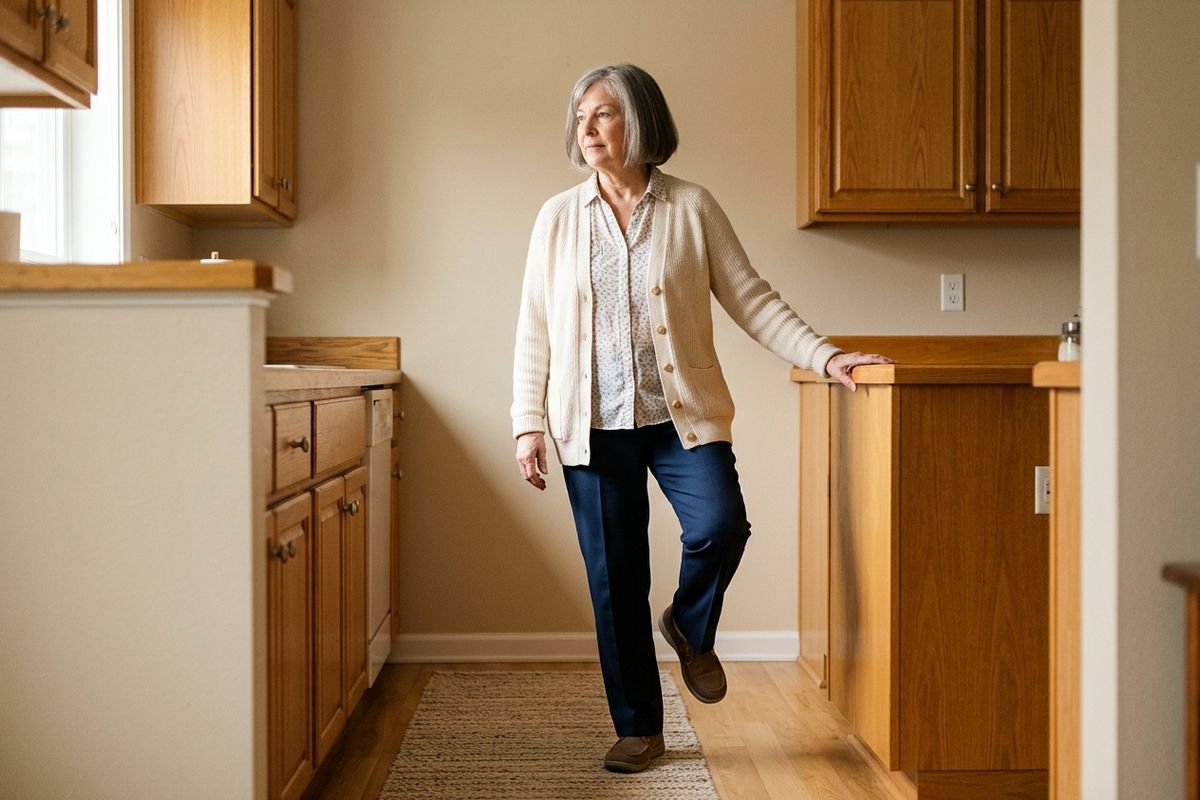
From there, you get balance exercises matched to your needs, like standing on one foot while holding a sturdy counter or stepping heel to toe across the kitchen. Over time, these moves can help you get around with more ease each day.
Learn Tips From an Occupational Therapist
An occupational therapist helps you move safely through your daily routine. You can learn simple ways to stand up from a chair, like scooting forward and planting your feet before you rise. These small habits can make your mornings feel smoother.
If you use a cane or walker, the therapist can share helpful tips for using it with ease. Family members can learn how to help, too, and your son or daughter can practice offering a steady arm while still letting you lead the way.
Try Gentle Yoga and Tai Chi
Yoga and tai chi use slow, gentle moves that can help build strength and balance. Picture flowing through each motion while soft music plays and sunlight fills the room. Many people find these classes calming and social at the same time.
Both practices are easy to adjust for a seated workout. You can do many poses right from a chair, so you can join in at your own comfort level. Each session offers a relaxed way to nurture your personal growth.
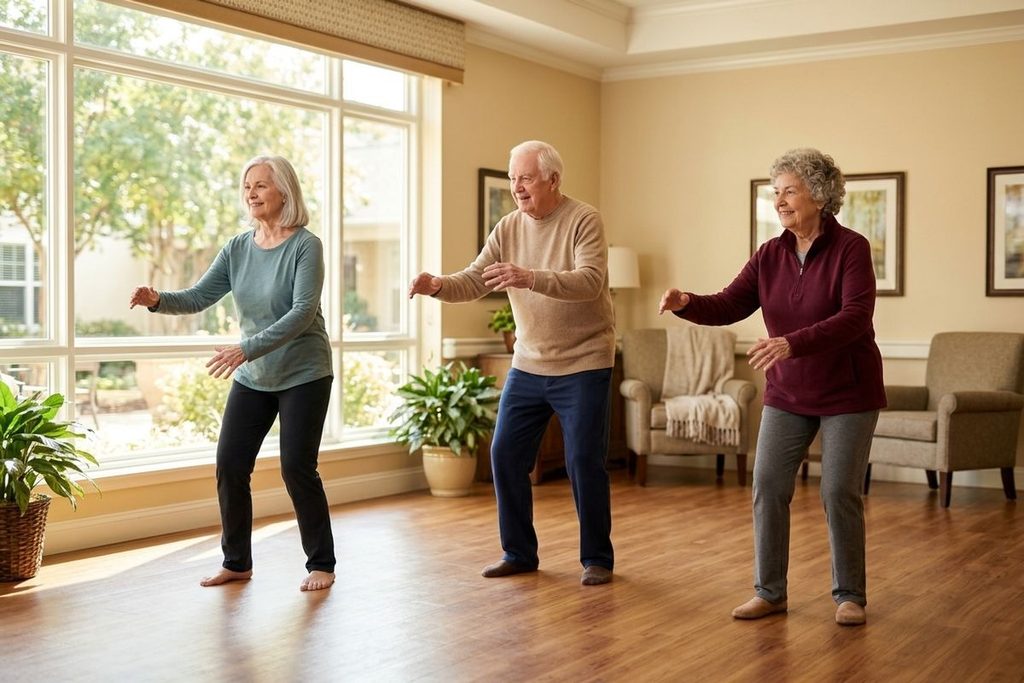
Three smiling older adults practice slow, tai chi-style movements with arms extended in a bright room with wood floors, armchairs, and large windows.
Stay Active and Steady at Parsons House Cypress
At Parsons House Cypress, staying active feels like a highlight of your day. The community offers plenty of ways to move, laugh, and connect with neighbors. And since the community is designed with residents in mind, your ideas help shape the calendar, too.
Fitness Classes for Every Ability Level
Residents can pick from a lively lineup of instructor-led classes and groups.
- Aerobics
- Stretching
- Seated exercise
- Walking groups
Walking groups add a social twist, so you can chat with friends while you move. Imagine laughing with neighbors during a morning stretch, then heading to the library or chapel afterward. In this senior living community, every class is a chance to celebrate life and feel stronger along the way.
Walks, Support, and Care That Grows With You
You can stretch your legs on indoor and outdoor walking areas, rain or shine. Nature walks let you soak up fresh air and the sights of the season.
Support stays close by, too. Caring staff is available 24/7 in both independent living and assisted living, along with a 24-hour call system for added peace of mind. The team takes pride in serving residents with warmth and respect every single day.
Your senior care plan can shift as life shifts, because the team works with you and your family as your needs change. That person-first approach, rooted in unconditional love, makes a real difference in how supported you feel.
Come See Parsons House Cypress for Yourself
Balance exercises can support an active, independent life, and the right community can make them a natural part of your routine. Parsons House Cypress pairs Southern hospitality with chef-prepared meals, scheduled transportation, and a full calendar of events. It’s a warm Cypress retirement home where you can stay social, steady, and engaged.
The easiest way to get a feel for the community is in person. Schedule a tour, join a fitness class during your visit, and meet the friendly team. You might even find your new favorite walking buddy along the way.