Key Takeaways
- Weight-bearing exercises like walking help maintain bone density over time.
- Strength training builds muscle support around bones gradually and safely.
- Balance and posture work reduces the risk of falls in everyday life.
- Starting slow and progressing at your own pace makes exercise sustainable.
- A supportive community can make staying active feel natural and enjoyable.
Bone Health and the Power of Movement
If you or someone you love has been told their bone density is lower than it should be, it can feel a little overwhelming at first. You might wonder what changes are worth making and where to even start. The good news is that movement, done consistently and thoughtfully, can make a real difference in how your bones and body feel day to day. Exploring the right low-impact exercise options for seniors is a genuinely encouraging place to begin.
Senior living communities like ours can also provide guidance on senior health and wellness. These 7 osteoporosis exercises are approachable, low-impact options that can help support stronger bones, better balance, and a more active lifestyle, no matter your current fitness level. Whether you’re just getting started or looking to add variety to your routine, there’s something here for you.
The 7 Osteoporosis Exercises Worth Trying
Weight-Bearing Moves
Weight-bearing exercises are some of the most effective options for bone health because they gently challenge your skeleton to stay strong. Walking is a wonderful place to start. Even a short 10-minute walk around your neighborhood or down the hall counts as a win. There are many health benefits of walking for older adults, from better heart health to stronger joints.
Heel drops and marching in place are 2 other simple moves you can do almost anywhere. They help stimulate bone tissue in your feet, ankles, and legs, which are common areas affected by bone thinning. Start with just a few minutes at a time and build from there as you feel more comfortable.
Strength and Resistance Work
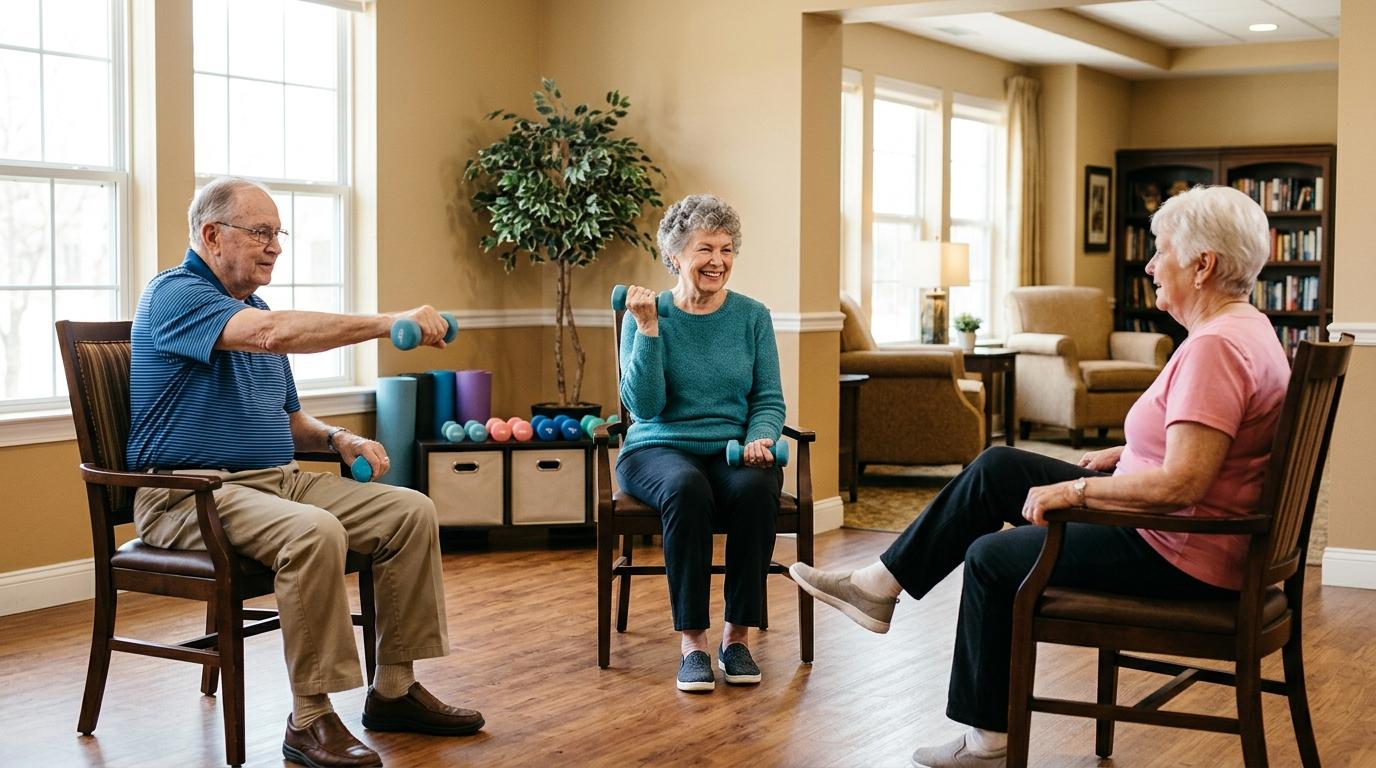
Building muscle around your bones gives them added support and protection. You don’t need heavy weights to get started. Light resistance bands, bodyweight exercises, and simple moves like wall push-ups or seated leg lifts are all great ways to begin. If you’re looking for guided options, chair exercises for seniors offer safe, effective movements you can do from almost anywhere.
Wall push-ups let you build upper body strength without putting stress on your wrists or joints. Seated leg lifts strengthen the muscles around your hips and thighs while keeping you stable and safe. Aim for 2 or 3 sessions per week and give your body time to recover between them.
Balance and Posture Exercises
Falls are one of the bigger concerns when it comes to bone health, so working on your balance is just as important as strengthening your bones. Single-leg stands, where you hold onto a chair for support, and heel-to-toe walks down a hallway are both simple exercises that challenge your stability in a safe way.
Gentle yoga and tai chi movements can also help you build a more upright, steady posture over time. These practices encourage mindful movement and body awareness, which translates into more steadiness in everyday activities like getting up from a chair or navigating uneven surfaces. They’re also a genuinely enjoyable way to move your body.
Tips for Safe and Effective Exercise
Before you dive in, a few practical reminders can go a long way. Always start slow and pay attention to how your body responds. A little muscle soreness is normal, but sharp or unusual pain is a signal to pause and check in with your care team.
- Wear supportive, well-fitted footwear when exercising on any surface.
- Choose stable, non-slip surfaces to reduce the chance of slipping.
- Progress gradually, adding more time or intensity only when you feel ready.
- Stay hydrated, especially during warmer months or after more active sessions.
These small habits add up. Over weeks and months, a consistent routine can help you feel steadier, stronger, and more at ease in your daily life. The National Institute on Aging’s exercise guidance for older adults is also a helpful reference for understanding how different types of movement support your overall health.
How Senior Living Supports Active Aging
Fitness Programs and Group Classes
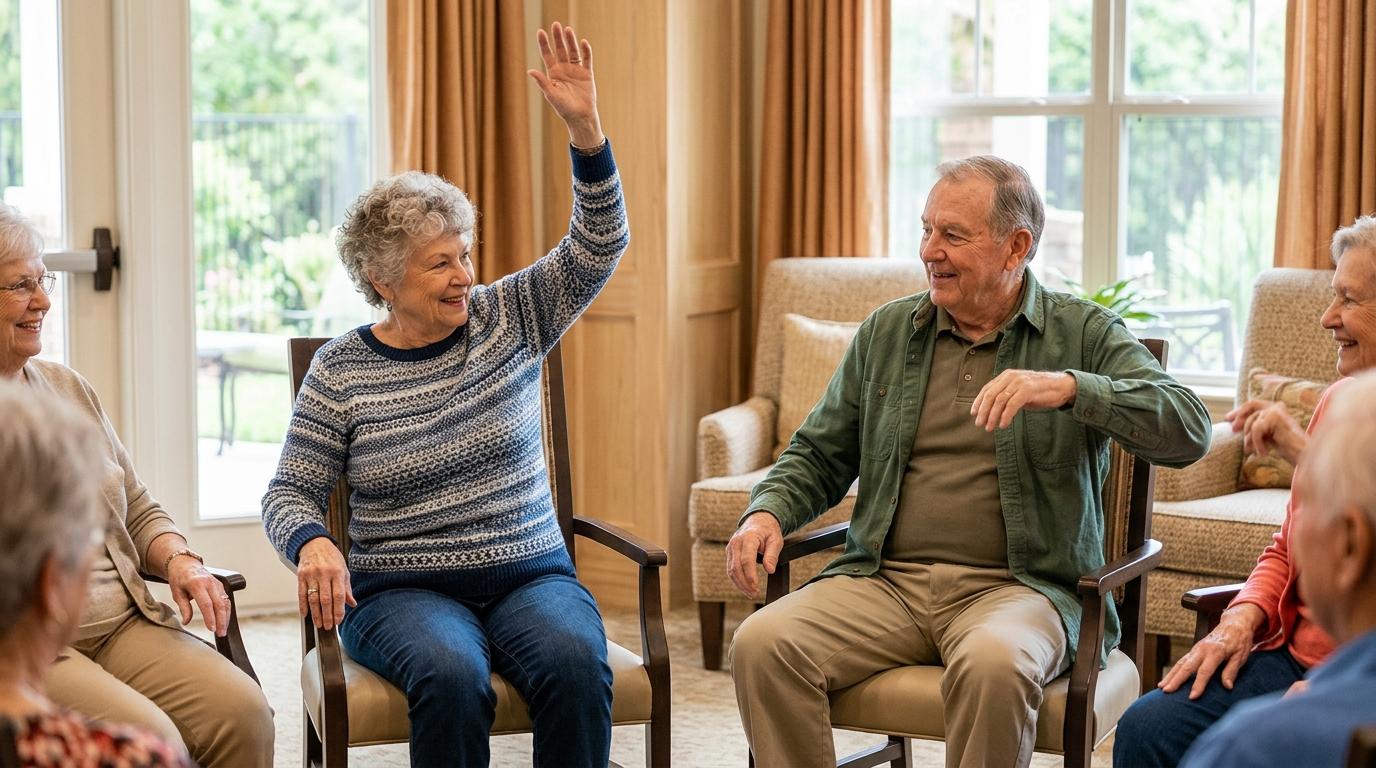
One of the things that makes senior living lifestyles like independent living and assisted living so appealing is that staying active becomes part of your daily rhythm rather than something you have to plan around. At a community like Parsons House Cypress, residents have access to stretching, seated exercise, walking groups, nature walks, and gym options.
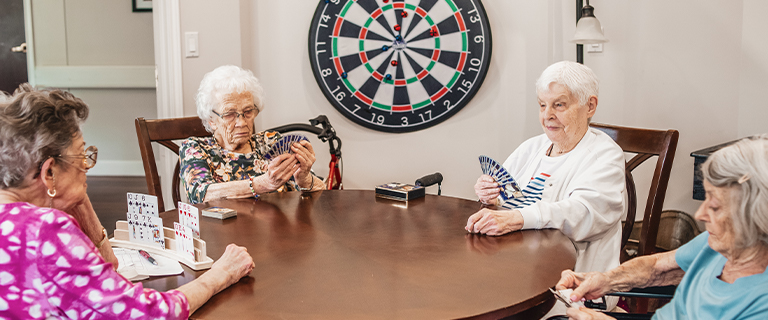
Group exercise is also just more fun. Having familiar faces beside you keeps motivation high and turns a workout into a social occasion. These activities are a chance to celebrate life every single day, and the friendships that grow out of them make a real difference.
Safe Spaces Designed for Movement
A good senior living community is designed with movement in mind. Indoor and outdoor walking areas mean you can get your steps in no matter the weather. Having 24/7 staff support nearby also means you can stay active with peace of mind, knowing help is always close if you need it.
When your environment is built to support you, staying consistent with your routine feels natural rather than like a chore. That kind of day-to-day ease makes all the difference when you’re working toward long-term health goals.
Take the Next Step Toward an Active, Fulfilling Lifestyle
Stronger bones and better balance start with small, consistent steps. Whether you begin with a short daily walk or join a group stretching class, every bit of movement adds up to healthier, more vibrant days ahead.
Parsons House Cypress is a warm, welcoming community where residents find the support, space, and encouragement they need to stay active and thrive. Come see what life here looks like for yourself. Schedule a tour today.