
Key Takeaways
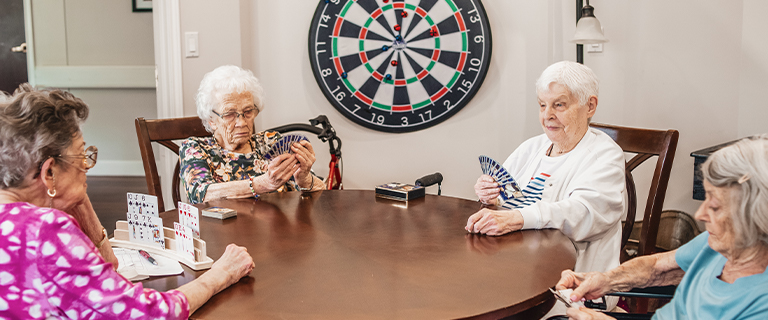
- Social connection plays a big role in emotional and mental well-being for seniors.
- Starting with familiar hobbies and routines helps ease seniors into more social involvement.
- Fitness classes, cultural events, and community outings offer natural ways to connect.
- Senior living communities remove common barriers to socializing through on-site programs and transportation.
- Asking the right questions during a tour can help you find a community where your loved one truly feels at home.
Why Social Connection Matters More Than You Think
Watching a loved one pull back from the people and activities they once loved can be hard. Maybe phone calls have gotten shorter. Maybe they skip events they used to look forward to. It’s a gradual shift, and it’s more common than most families realize.
Staying socially active helps seniors feel valued, connected, and genuinely happy, and the good news is that it’s never too late to encourage that. Whether your loved one is in independent living, assisted living, or just starting to explore senior care options, there are simple and enjoyable ways to help them stay engaged with the world around them.
Simple Ways to Encourage More Social Involvement
Start with What They Already Enjoy
The easiest place to start is with what your loved one already loves. If they’ve always enjoyed reading, a library or book club is a natural fit. If they grew up cooking or gardening, look for communities that offer programming around those passions. Familiar activities feel approachable, and that matters when someone is hesitant about stepping into new social settings.
Low-pressure environments help a lot. Nobody wants to feel pushed into socializing, but when an activity already feels comfortable and enjoyable, joining a group around it feels like less of a leap. It becomes less about “meeting people” and more about doing something they love alongside others. Exploring hobbies that keep seniors mentally sharp is a great starting point for finding the right fit.
Make It a Regular Part of Their Routine
Consistency is a quiet but powerful tool. When social activities are woven into a weekly schedule rather than treated as special occasions, participation starts to feel natural. A Tuesday morning walk or a Friday afternoon game night stops being something to think about and just becomes part of the week.
Scheduled outings and group events add structure that many seniors genuinely appreciate. It gives the day shape and something to look forward to. Over time, those regular touchpoints become the foundation of real friendships and a fuller, more connected daily life. Staying socially connected as you age has meaningful benefits for both mental and physical health.
Types of Social Activities That Work Well for Seniors
Physical and Group Fitness Options
Movement and socializing go hand in hand. Walking groups, seated exercise classes, and instructor-led aerobics give seniors a chance to stay active while spending time with others. There’s something naturally energizing about moving alongside a group, even at a relaxed pace. If your loved one is just getting started, low-impact exercises can be a gentle and social way to ease in.
These activities aren’t just good for the body. They’re a consistent reason to show up, see familiar faces, and share in something together. For many seniors, a morning stretch class becomes as much about the conversation afterward as the exercise itself.
Cultural, Creative, and Community Events
Not every social moment needs to involve physical activity. Holiday parties, volunteer events, seasonal celebrations, and local outings offer rich opportunities for connection in a more relaxed setting. These kinds of events bring people together around shared experiences, which is where real bonds tend to form. The health benefits of arts and community participation for older adults are well worth keeping in mind when planning a loved one’s social calendar.
Access to a chapel, library, or community gathering space also gives seniors quiet, meaningful ways to connect on their own terms. Whether it’s attending a chapel service, browsing books, or joining a seasonal celebration, there are plenty of ways to stay woven into a community’s social fabric every single day.
How Senior Living Communities Support Social Engagement
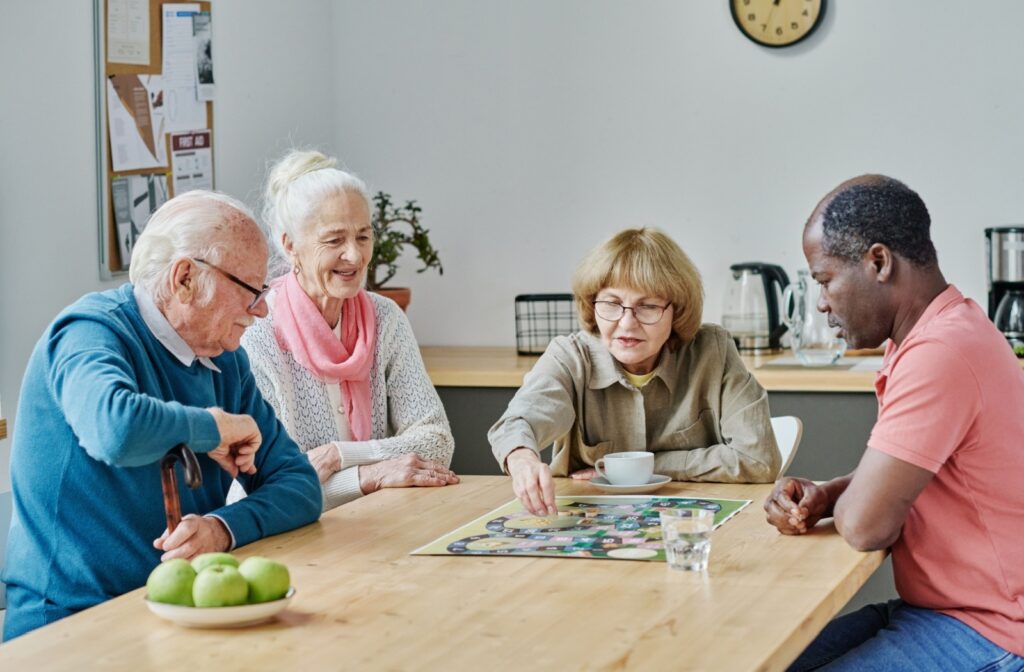
One of the biggest barriers to socializing for seniors is simple logistics. Transportation, mobility, and not knowing where to start can all get in the way. A well-rounded senior living community takes those obstacles off the table with on-site amenities, scheduled transportation, and a full calendar of daily activities.
Staff-led programs that adapt to each resident’s needs make a real difference. When a team genuinely gets to know the people they care for, they can match activities to personalities, energy levels, and preferences. Regular Town Halls and feedback sessions mean residents actually help shape the programming, so the activities reflect what matters most to the people participating in them. That kind of involvement makes every day more meaningful and more personal.
How to Find the Right Fit for Your Loved One
Questions to Ask on a Tour
When visiting a retirement home or senior living community, ask about the daily activity schedule and how involved residents are in shaping it. A good community will have a clear, varied calendar and a genuine enthusiasm for telling you about it. Also ask how care plans are built and whether they adapt as a resident’s needs change over time. Reviewing upcoming community events ahead of your visit can give you a real sense of what daily life looks like.
Signs a Community Truly Prioritizes Connection
The atmosphere tells you a lot. Notice whether staff greet residents by name. Look for spaces that feel lived-in and welcoming rather than quiet and empty. A community that truly values connection doesn’t just offer activities, it creates an environment where residents feel seen, heard, and genuinely at home. If you’re still weighing your options, exploring how assisted living helps seniors build friendships can offer some useful perspective.
At Parsons House Cypress, that sense of belonging is at the heart of everything. If you’re exploring assisted living or independent living options in Cypress, Texas, come see the community for yourself and picture what a fuller, more connected daily life could look like for your loved one.